Money is really about trust.
The history of money, from the earliest Lydian coins to the money stones of yap and bitcoin is a story of trust.
This was particularly important when the physical representation of money became detached from something of real value.
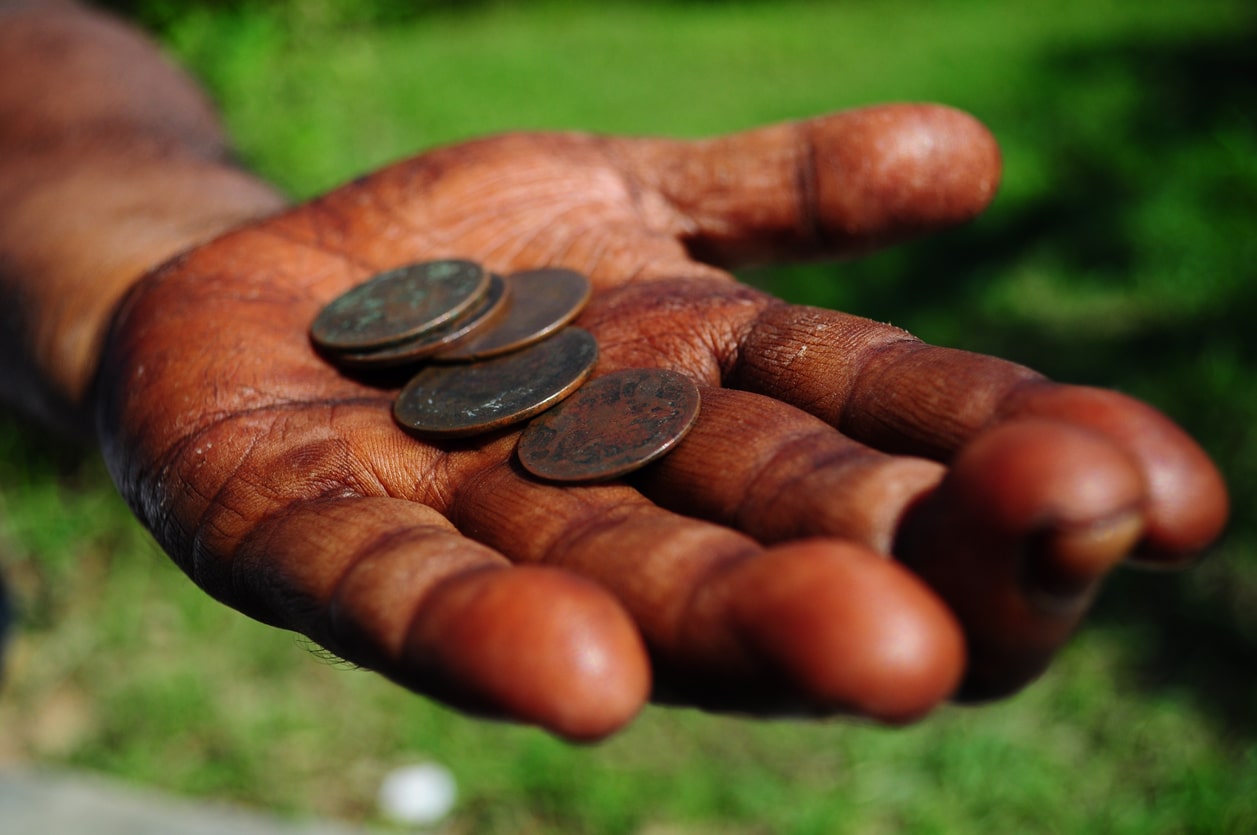
One Great British Pound used to be equivalent to (and exchangeable for) a pound of sterling silver. But that was a long time ago.
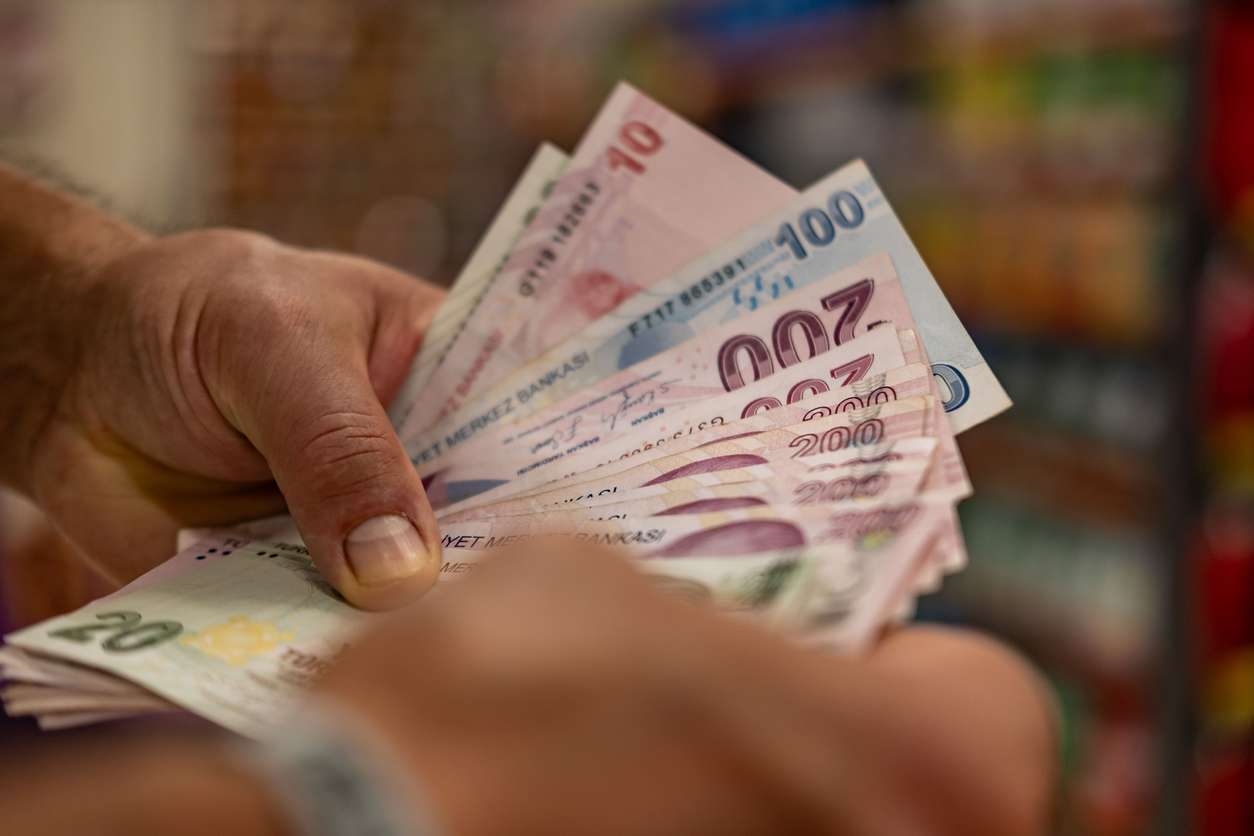
As technology advanced, physical money was increasingly replaced by electronic money. Notes and coins now represent only 10% of the total money in circulation.
And, most recently, we have created a type of money that is entirely separate from all the previous iterations and that has never had any physical form.
But trust is the key common denominator for all types of money. Bitcoin itself evolved from the desire to create a currency that could be ‘trusted’ more than the other existing forms of money.
—–
As always, with trust comes a long history of betrayal.
From the coin clipping of the Middle Ages to reducing the precious metal content of coins, individuals and monarchs have tried to capture an edge without people noticing.
Since then, there have been innumerable bank runs, currency collapses, and financial scandals that have caused people to question their trust in money and the financial system.
Even in the midst of WWII, recognising the central role that trust in money played, the Germans tried to destabilize the UK economy by introducing millions of forged banknotes into the banking system.
Why does this matter?
—–
Because taking risk involves trust. In yourself, in the system, in the other person or a combination of all of them. Understanding a client’s risk tolerance requires exploring their money history.
And logic will only get you part of the way. The final part of trust – the bit that gets you over the line when you’re scared – is emotional.
That’s why moving from cash to investing is so hard. Money blocks rooted in fear often prevent clients from taking that step.
Logically, we know that the returns from a diversified portfolio are better than deposits and deposits are better than cash in a safe. But we need more than logic.
—–
If we need trust, how do we build it?
Our ability to trust is founded in feelings of safety and acceptance.
Clients will trust you when they feel seen, heard and understood.
If it’s really difficult for them to invest, then remember that millions of years of evolution have conditioned us to avoid unnecessary danger.
Explore what feels hard. Explore what’s difficult. Explore what’s scary.
Acknowledge all of it.
And then, maybe, you can ask what’s the smallest step they can take.
—–
If you want learn how to build trust in yourself, please get in contact. We use coaches for everything that we want to get better at. Money is no different.
If you want to help clients to invest, please get in touch. We have a number of training options.