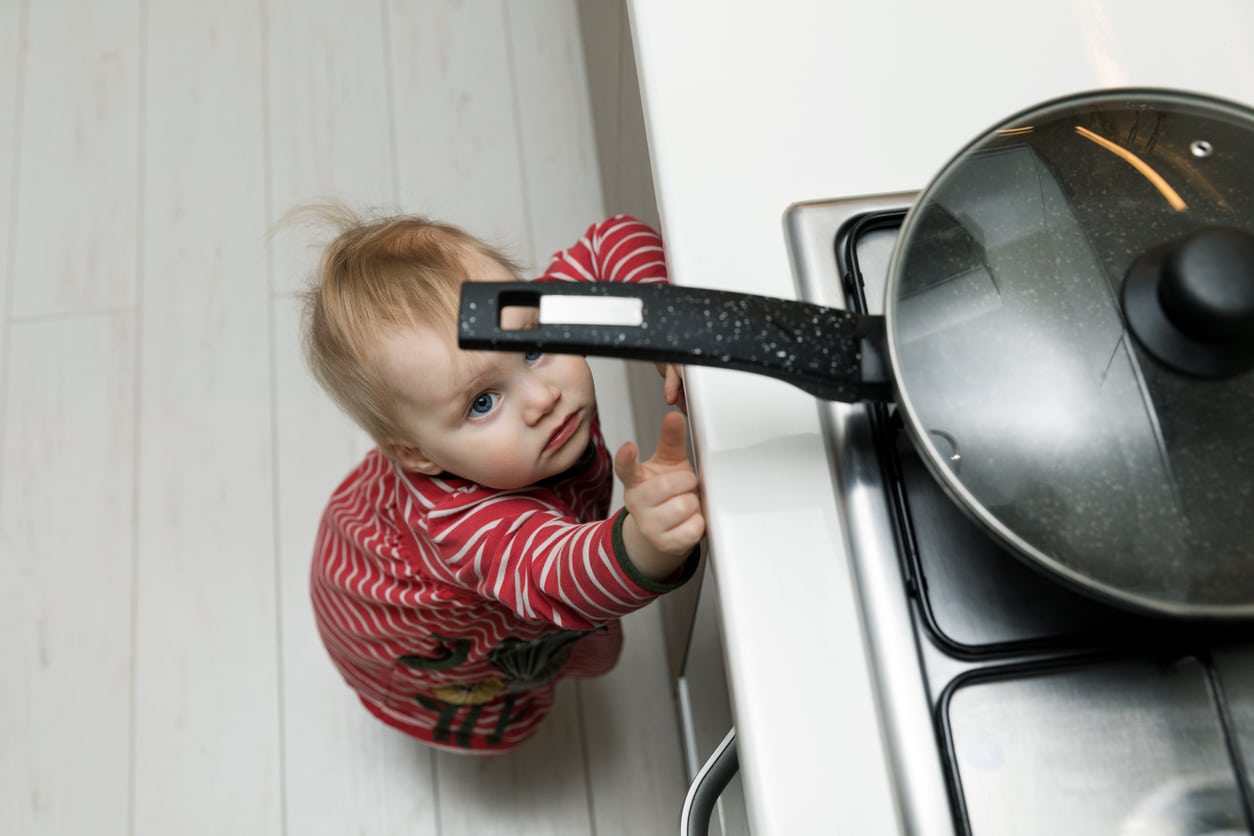
When you’re a child you learn to stay away from things that cause you pain.
Sometimes adults tell you what’s dangerous, but we usually try it ourselves anyway. After all, we evolved to learn though experience.
So, if you ever burnt yourself on a hot stove or a fire, you know it hurts – and you don’t usually do it again. Same with bees, wasps, nettles, kettles and barbed wire.
Your brain takes the sensation of pain and asks: “What happened just before this?”
Then it fuses the event with the pain and that’s how we remember to stay away next time.
Nobody thinks it’s odd to avoid burning yourself or be scared of bees.
It’s not a character flaw or a personal failing.
Stay away from pain.
Stay away from danger.
Totally understandable.
And often we judge people who don’t avoid danger, and we call them reckless.
————
But when it comes to money avoidance, we feel guilt or shame.
We think there’s something wrong with us.
I’m an adult. It’s only numbers. Why can’t I do this. What’s wrong with me?
————
But there’s nothing wrong with you if you want to avoid pain.
So, don’t ask what’s wrong with me?
Ask “What did I learn about money in childhood that is causing me to avoid it?”
“What is the pain that I associate with money?”
————
Is it the pain of being told “no” when you asked for money? Or even shamed for asking?
Is it the pain of growing up in a household where money was always a source of conflict?
Is it the pain of being told money was evil?
Is it the pain of growing up in scarcity, where there was never enough, or where money was used as a tool of control or coercion?
————
Whatever the source of the pain, it stays with you because that’s how the body learns.
But as an adult, you can change that.
You can make sense of what happened and use this conscious awareness to change your relationship with the past. You no longer have to live in fear of it.
How do you do this?
- Start with compassion for the child who had those experiences.
- Understand how those experiences shaped you.
- Remind yourself that although the fear is real, the danger is not.
- Start on some small steps to change.
- And remember that changing an unconscious process takes time. So be kind to yourself.
————————–
If you’d like support, please book a free chat to find out how coaching can help you.