Ever made a decision and immediately wished you could undo it? That’s not being indecisive. That’s being hijacked by fear wearing a different outfit.
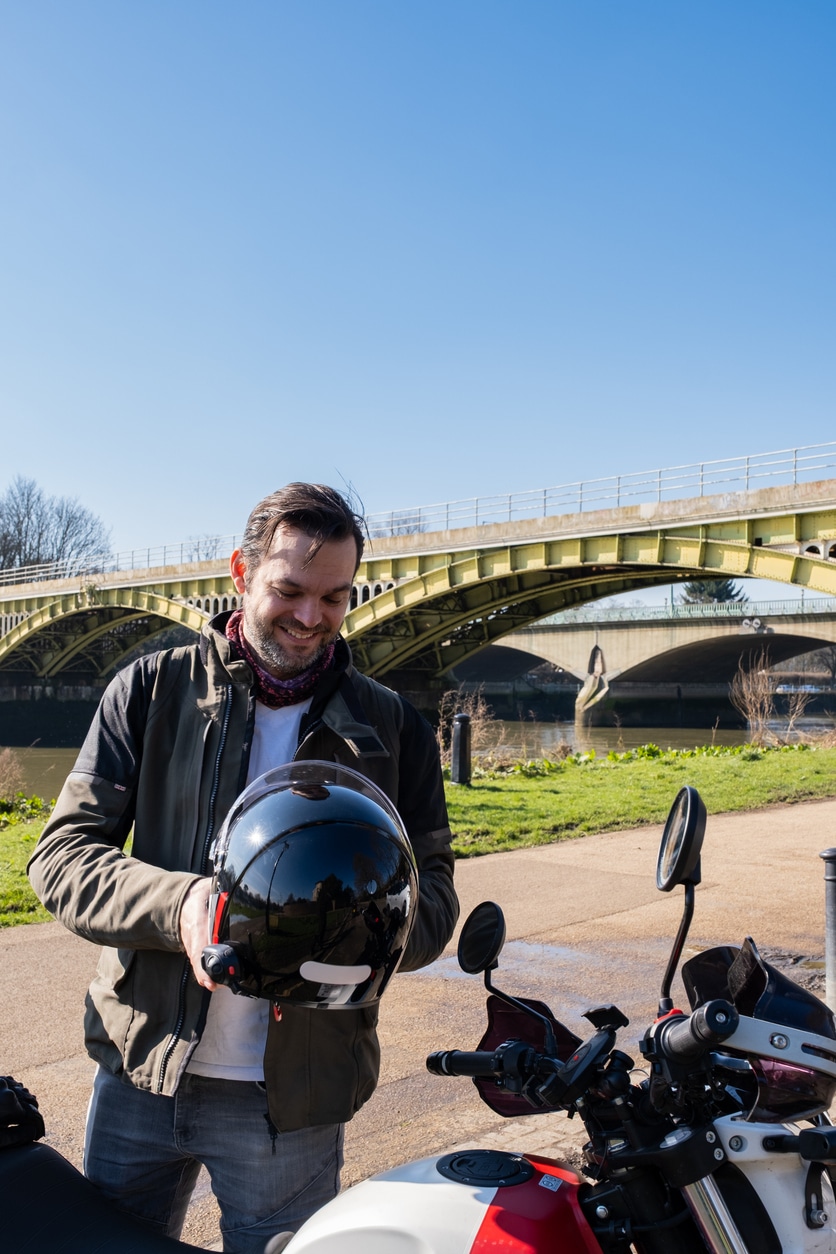
My client had been thinking about buying a motorcycle for a long time.
The problem is, he didn’t have his licence yet and, admittedly, didn’t know much about bikes or which style he’d like to buy.
So, he did what anyone would do when faced with a big financial decision…he binged on YouTube video tutorials, doom-scrolled through Instagram and weighed up the various options:
- This style vs that style;
- Customised vs non-customised;
- This brand vs that brand;
- Cheap (starter bike) vs expensive (premium).
After going back and forth, he settled on the customised option, which came at a premium, and justified his purchase by thinking he’d keep this bike for a long time.
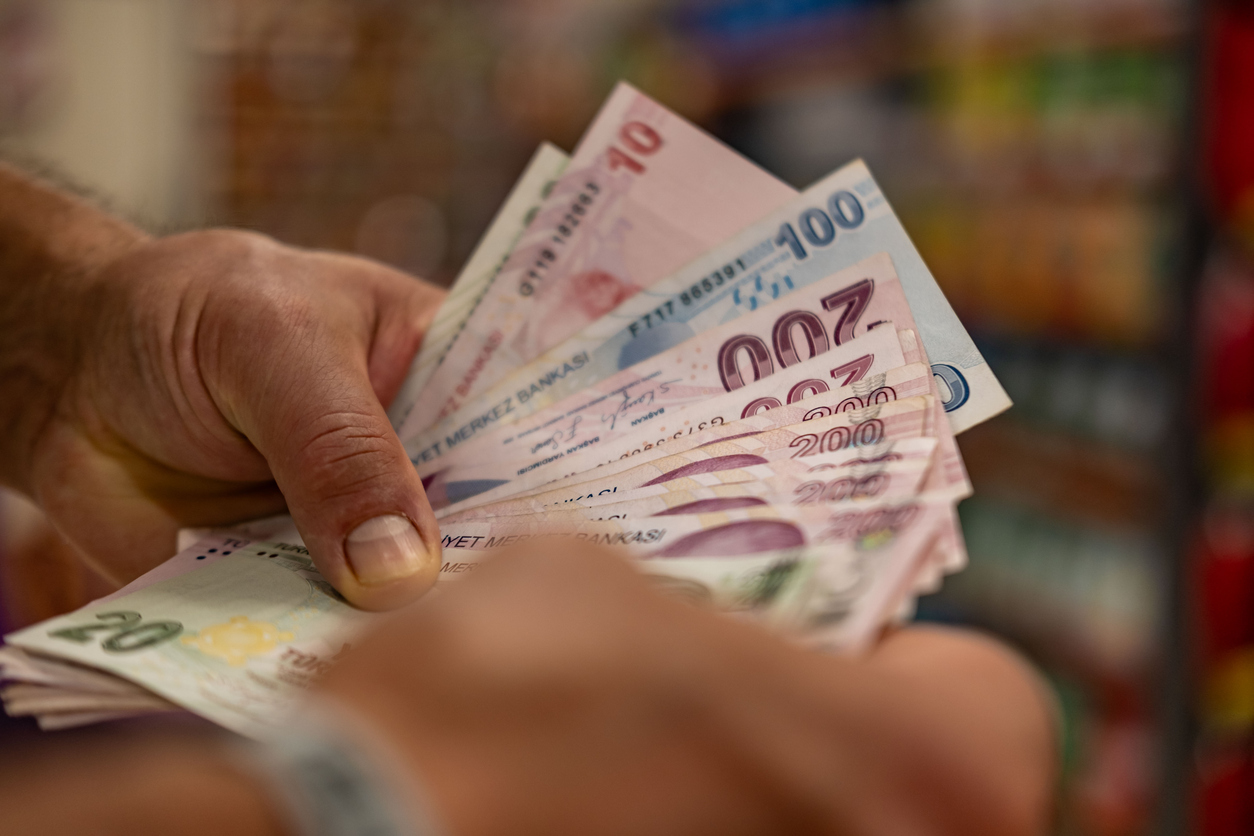
So, he paid a 50% deposit.
But shortly after making the payment, he realised that actually, it was probably a mistake.
That the bike he really wanted was another model, for which he’d need a different licence. That would ultimately make this purchase a potential waste of money, as he didn’t need to get such a fancy motorbike to get him started.
He began spiralling and questioning his decision-making process. Blaming himself for yet again making another rash decision without thinking things through and feeling stupid for it as this represented a lot of money for him.
This is usually called post-decision rumination – “What if I had chosen differently?”
But add in some shame and you move seamlessly to “Why can’t I make good decisions?”, “What’s wrong with me?” and “Why do I always seem to screw things up?”
There are potentially two things going on here:
- What is my decision-making process driven by?
- How do I live with the decisions I have made?
And this brings us to the concept of anticipated regret.
Anticipated regret is the regret you imagine you might feel in the future if a decision turns out badly (or if a rejected option later looks better).
Like most beliefs and fears, anticipated regret has its origins in childhood.
That’s why one of the questions I always ask my clients is: ” When you were growing up, was it safe to make mistakes?”
Take a moment to think about that question.
Were you unreasonably punished?
Were you shamed?
Were you shouted at?
Were you made to feel stupid or less than?
If making mistakes as a child led to negative consequences, the fear of making a mistake can stay with you well into adulthood, feeding into your decision-making process.
It can change how much information you seek, how much risk you tolerate, whether you prefer reversible choices, and whether you act now or keep waiting.
And yes, it often leads to decision paralysis.
When you finally have made a choice, it can amplify post-decision rumination.
What are some of the lessons here?
- Understand when your decision-making process is driven by some kind of fear.
- If it is, then be kind to yourself. You didn’t choose to carry this fear and it’s OK to ask yourself what decision you’d make if fear wasn’t a factor
- Give yourself permission to see this as a learning process. Past fears (which almost always came from other people) don’t have to dictate the present.
If anticipated regret is something you struggle with, maybe consider the following question:
“In ten years from now, when you look back at this moment, will it still be a big deal? Or will it be insignificant in the grand scheme of things?”
That might help to put things into perspective.
I know it helped my client take a deep breath and have more compassion towards himself and his decision.
And if you’ve been waiting for someone to tell you, let me be the one to say it loud and clear: it’s OK to make mistakes.
———-
If you’d like to know more about your decision-making around money, then let’s have chat.